Count Pavoncelli
Count Pavoncelli and the Historical Legacy
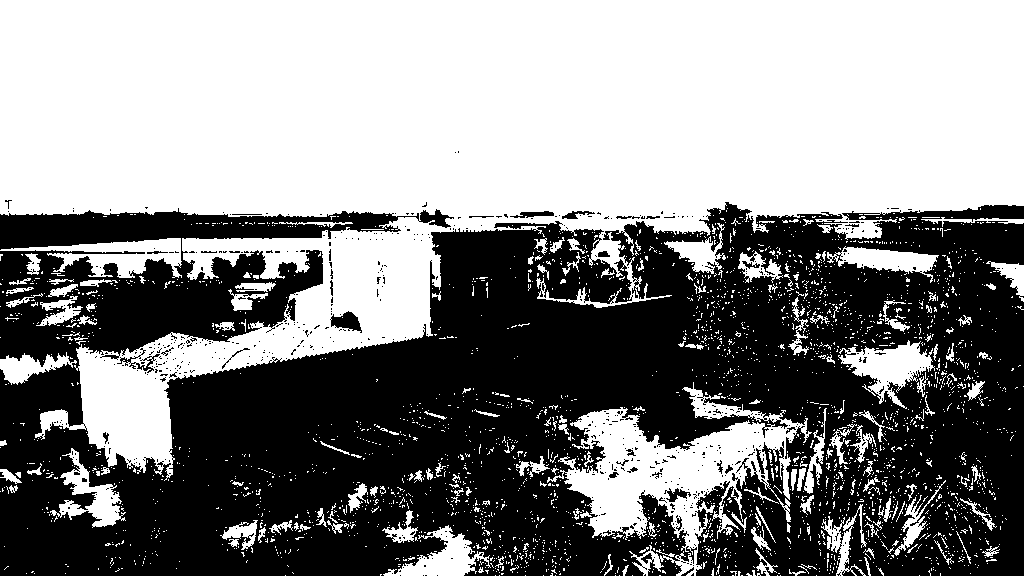
The farmhouse belonged to Count Pavoncelli of Cerignola, one of the most influential figures in Apulia between the nineteenth and twentieth centuries. As a Senator of the Kingdom of Italy, he distinguished himself for his civil and political commitment. He promoted important public works and infrastructure projects. Among these was the Apulian Aqueduct, a work that radically changed the life of rural communities. Pavoncelli supported agricultural innovation and the modernization of the territory. He believed in the economic and social development of the Mezzogiorno. The farmhouse stands as a testament to his role as a great, enlightened landowner.
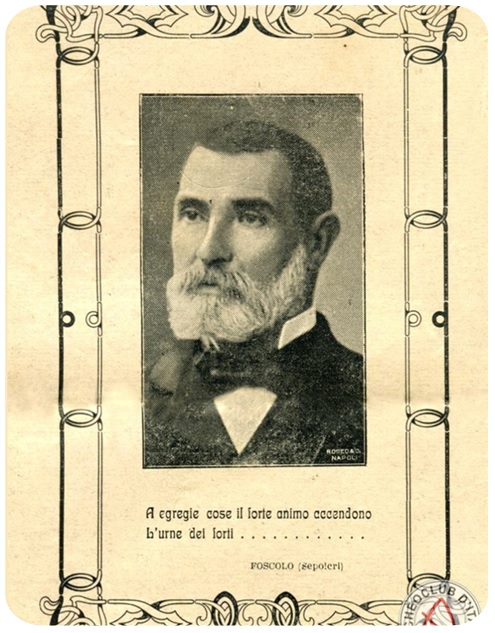 The vintage portrait of Count Giuseppe Pavoncelli, distinguished statesman and pioneer of agricultural development in Cerignola and the entire Puglia region.
During that period of Apulian history, large land estates were undergoing a phase of profound transformation. Count Pavoncelli conceived the structure not merely as a production center, but as a model of efficiency for the entire area. Under his leadership, the farmhouse played a central role in control, centralization, and logistical coordination for a whole series of smaller, neighboring farms. It thus became a key reference point for bringing in the fruits of the land, storing goods, and directing agricultural labor. These insights on the rational management of resources anticipated the reforms that would later lead to the creation of the Apulian Aqueduct, a monumental infrastructure that represents, even today, one of the largest and most important hydraulic works ever built in Europe. The meetings and decisions made within these walls reflected a desire to modernize field labor while simultaneously improving the living conditions of the workers. This approach combined political vision with practical action on the land. Today, the architecture of the estate preserves the memory of that forward-thinking management, offering a concrete example of how the agrarian history of southern Italy evolved thanks to the initiative of prominent figures of the society of that time.