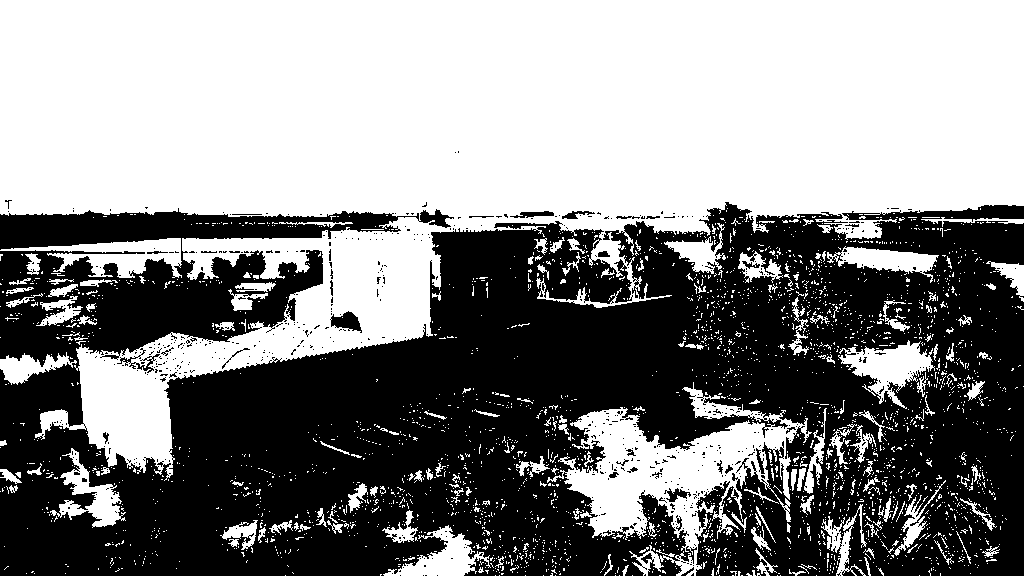
The Grain Pits: The Underground Vaults of the Apulian Plain
The grain pits were historically used for storing wheat and other cereals, as they offered a cool and dry environment, ideal for keeping grain away from humidity, insects, and rodents, thus ensuring a food reserve during the most difficult periods. The upper part culminates in a square or circular hole. Through this opening, loading, filling, and subsequent extraction of the grain were carried out.
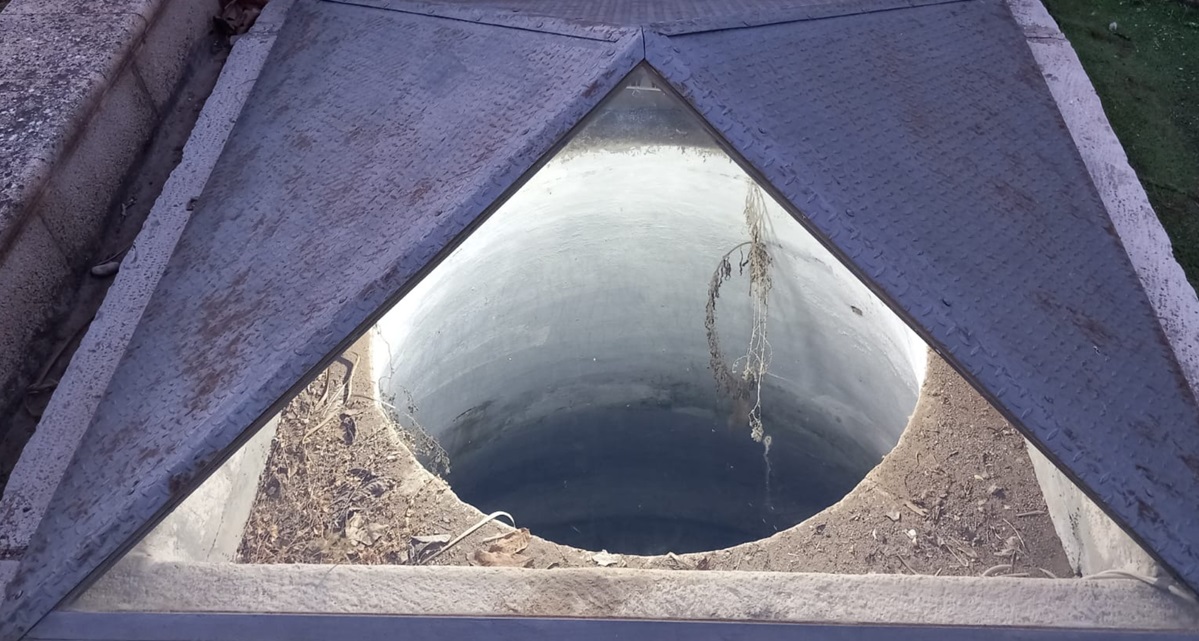
Over the centuries, managing these underground cavities represented one of the most delicate activities for the economy and security of this historic estate. This method of underground storage continued to be used regularly for generations, demonstrating extraordinary efficacy even as subsequent agricultural techniques evolved. Specialized workers lined the inside of the pits with layers of straw to completely isolate the cereal from the limestone walls. Once filled through the top opening, the holes were hermetically sealed with heavy stone slabs and clay mud, creating a completely oxygen-free environment that stopped any parasite before it could develop. This underground preservation technique did not only meet a need for physical protection of the harvest, but constituted a true long-term logistical and economic strategy. It allowed the landowners to protect the community's food supply and wait for the most favorable market moment for sale, turning the property's subsoil for many years into an invisible vault, guardian of the territory's agrarian wealth.