The Farmworkers
Collective Life
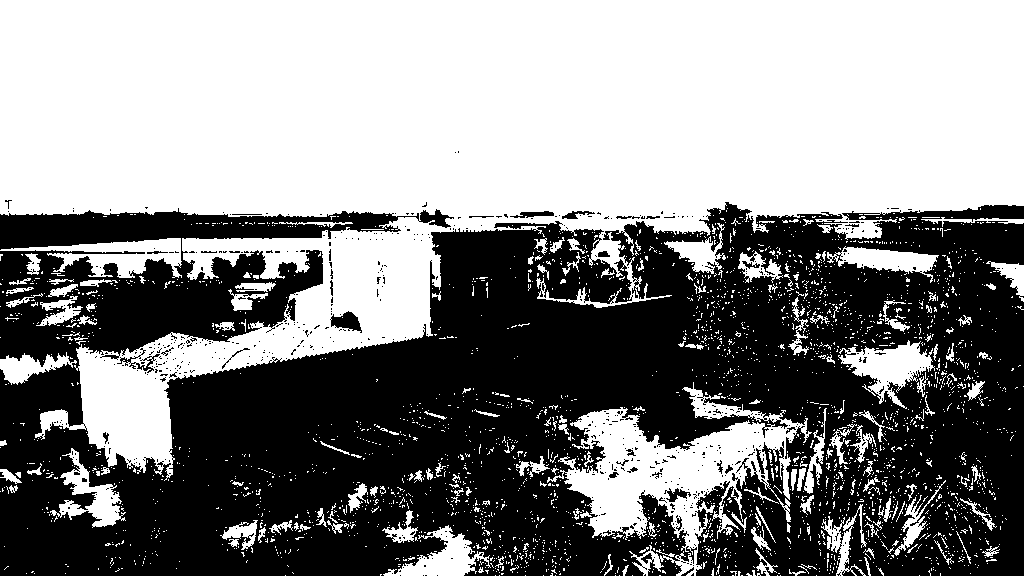
During the wheat harvest, the farmhouse welcomed numerous agricultural workers. The laborers often came from neighboring towns. During periods of seasonal work, they slept inside the structure. The environments were spartan but functional. The day began at dawn and ended at sunset. The farmhouse became a place of collective life. Meals, hardship, and moments of rest were shared. This organization made it possible to tackle large harvests. The farmhouse was the beating heart of the countryside.
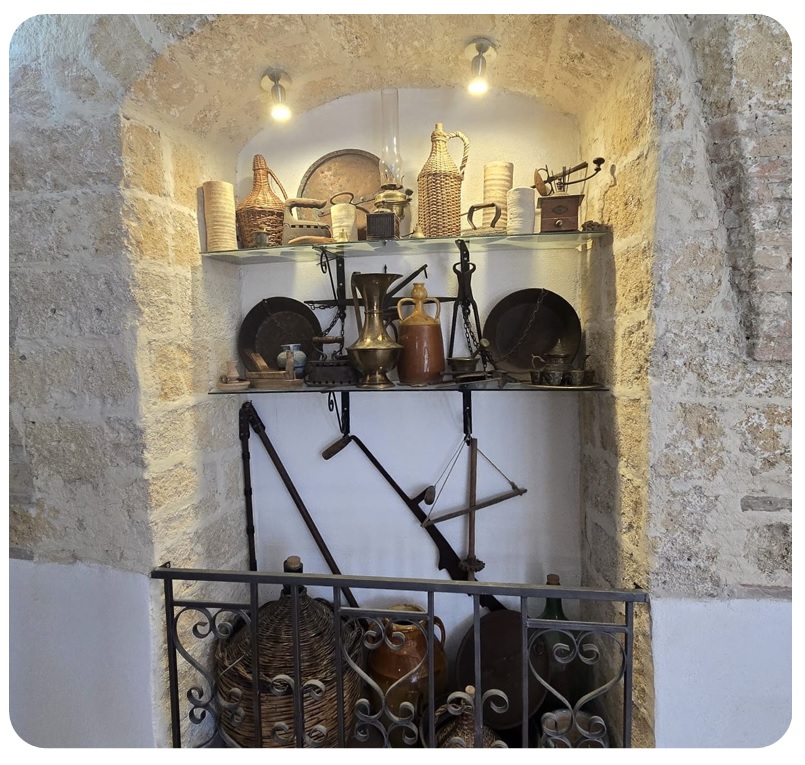 An ethnographic museum of trade tools that can be visited inside the Masseria...
Over the course of the nineteenth century, the harvesting seasons radically transformed the daily life of this historic estate, which organized itself as a small autonomous community to manage the massive flow of labor flooding the fields. The large covered spaces, usually intended for tool storage, were temporarily converted into collective dormitories, offering an essential but secure shelter for the night hours. The labor discipline was rigid, dictated exclusively by the cycles of sunlight and the needs of the land. At the end of the long hours of toil in the fields, sharing the evening meal became the main moment of gathering and solidarity among the workers, consolidating social bonds that went beyond the single seasonal employment. This coordination model did not only respond to criteria of company logistical efficiency, but represented a real social necessity for the economy of that era. Managing such a vast and complex community required careful planning of every detail, confirming the fundamental role of the property as a nerve center of agrarian life in southern Italy.