The Wheat Harvest: Manual Cycles and Early Mechanical Steps
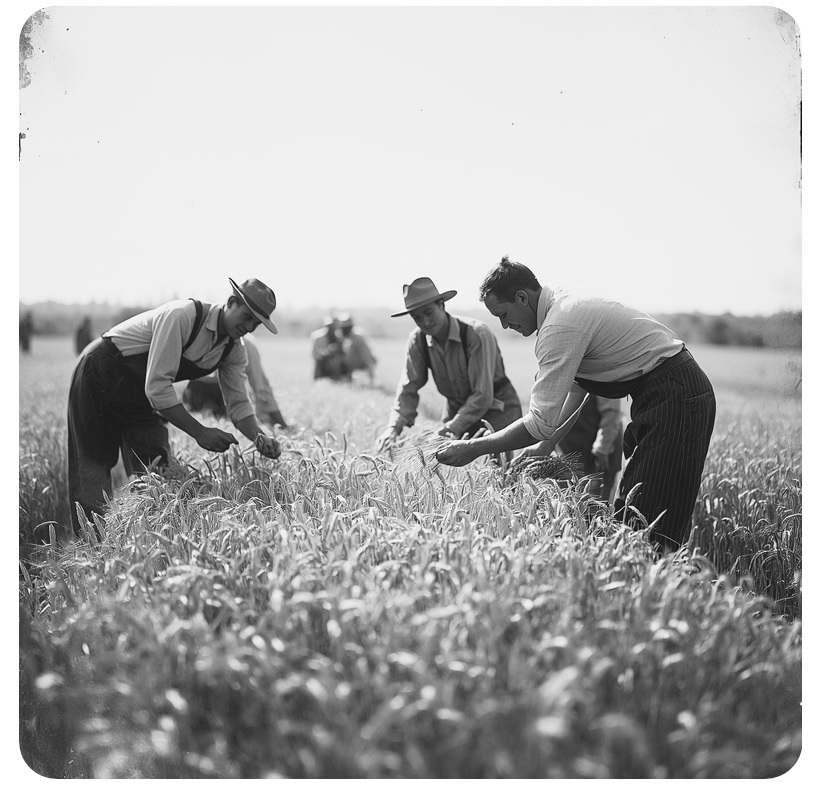
The wheat harvest was one of the most important moments of the agricultural year. It was done manually with a scythe. The reapers cut the ears of wheat, bending for hours under the sun. The wheat was tied into sheaves and transported. Threshing separated the grain from the straw. Later, the first mechanical threshing machines arrived. The work remained hard and collective. Wheat guaranteed bread and sustenance. It was a symbol of life and survival.
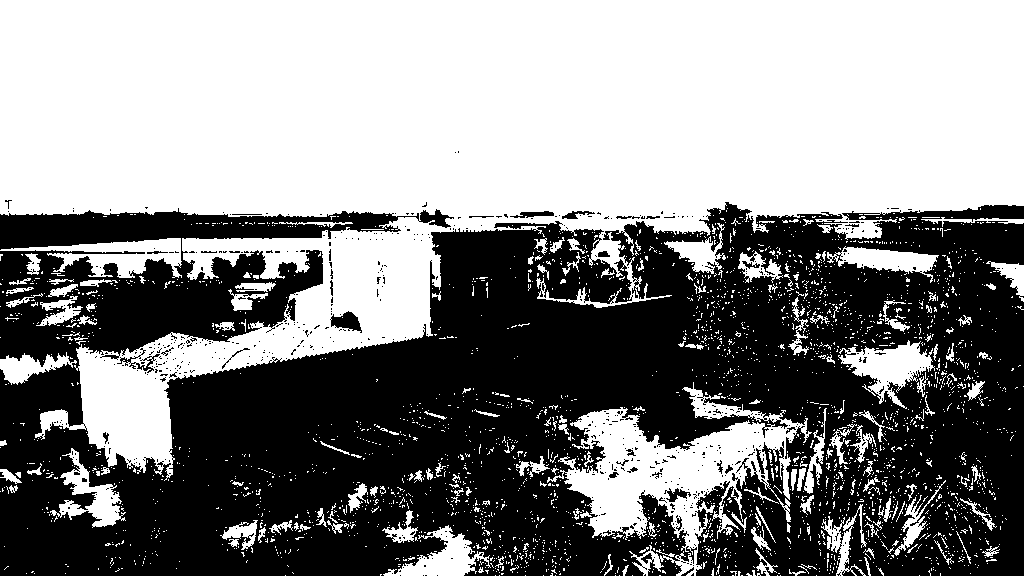
In historical times, the vast expanses of land surrounding this traditional fortified farm were filled with a coordinated and tireless workforce. Reaping required extraordinary physical endurance, as every single movement had to be repeated with methodical precision to avoid wasting the precious grain. Transporting the heavy sheaves toward the central threshing floor represented another critical phase of internal logistics, before the lengthy operation of separating the grain could begin. Originally, this process relied on the strength of draft animals or the manual labor of the farmers, but as time passed, the introduction of the first agricultural machinery gradually began to change the pace and speed of production. Despite these early steps toward technological modernization promoted by the landownership, the nature of the work maintained its strong collective component for a long time. Wheat did not merely represent the main economic resource of the estate, but constituted the fundamental basis for the daily nourishment of the entire rural community, standing as a true indicator of social stability and prosperity for the territory.