Tracks and Ancient Grassy Paths: Transhumance and Neolithic Origins
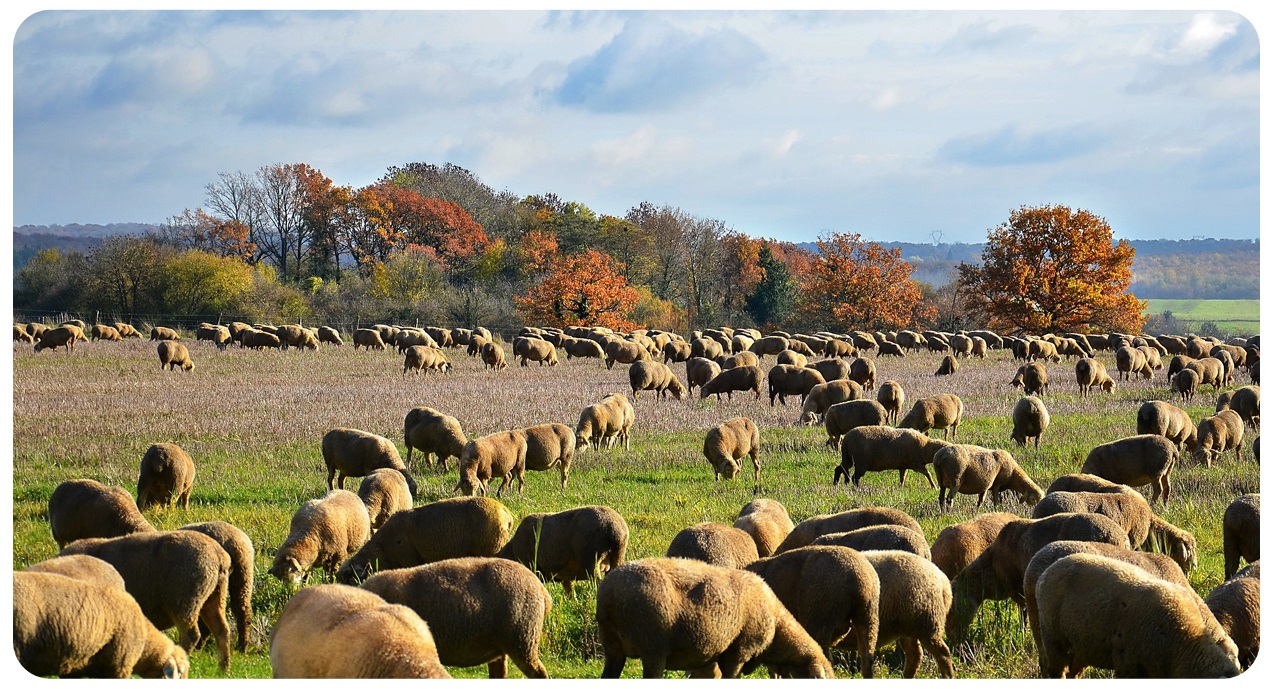
The transhumance in Apulia is an ancient pastoral practice (which became a UNESCO Intangible Cultural Heritage in 2019) consisting of the seasonal movement of flocks and herds. For centuries, during the winter, animals descended from the mountain pastures of the Apennines (Abruzzo, Molise, Campania, and Basilicata) toward the warmer plains of Apulia. This phenomenon shaped the Apulian territory, creating a dense network of grassy trails called tratturi. Upon arriving in Apulia, the animals were hosted in the typical fortified farmhouses.
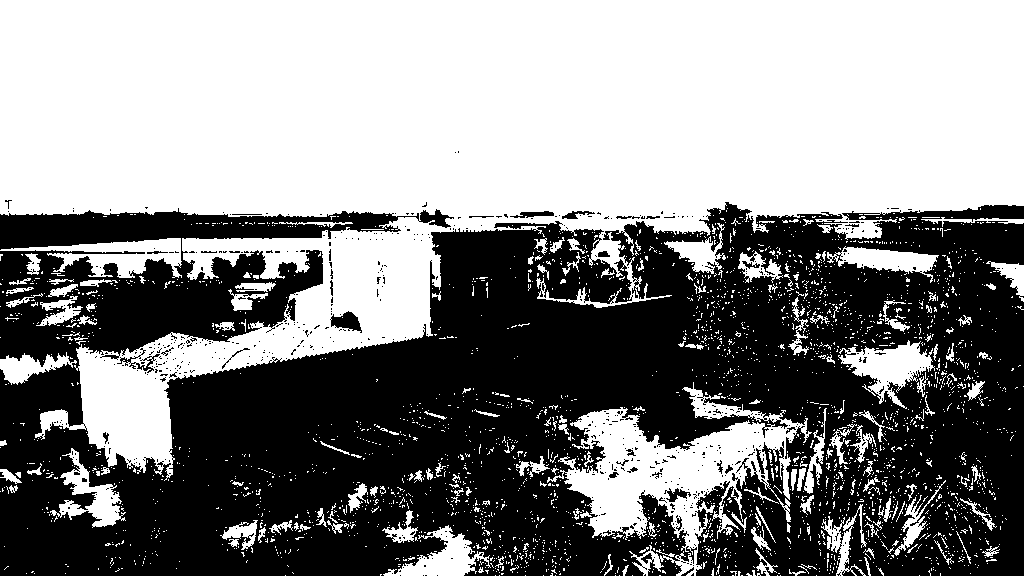
This traditional fortified farmhouse stands in an area characterized by an extraordinary historical and geographical relevance. This land is entirely crossed by the route of the ancient royal sheep track known as the Regio Tratturello Ponte di Bovino-Cerignola, the grassy pathway that connected the mountain pastures of the Daunia Mountains to the plains of the Tavoliere. The site holds a double importance: besides being a crucial hub for historical transhumance, the area hosts a highly significant archaeological site dating back to the Neolithic period. Excavations conducted on-site have revealed the remains of an ancient entrenched village, characterized by the typical C-shaped or compound ditches, which were defensive and drainage structures unique to the ancient Tavoliere plain. The seasonal arrival of flocks linked the present of the shepherds to this millennia-old past. The farmers of the estate offered hospitality and secure stone enclosures to protect the animals, creating an economy of exchange based on fresh cheese and natural fertilizer essential for regenerating the sowing fields. This stratification of cultures makes the property an immortal symbol of historical continuity and agrarian cooperation in southern Italy.