In the Footsteps of Travelers: The Historic Link to the Via Francigena
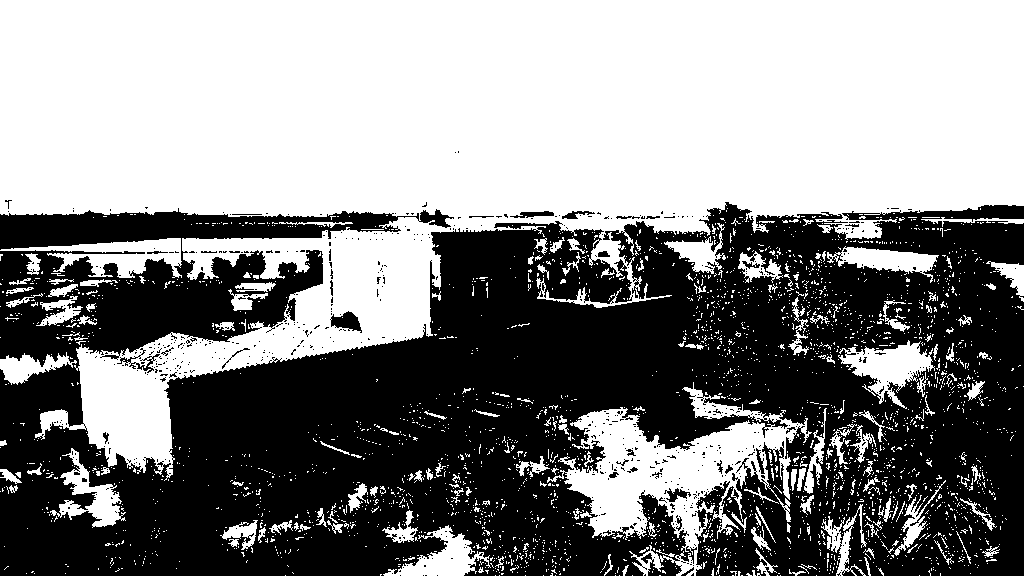
The farmhouse stands along the Via Francigena. An ancient European pilgrimage route. It connected Northern Europe to Rome and the Apulian ports. It was traversed by pilgrims, merchants, and travelers. The farmhouse offered refreshment and hospitality. Today, the Via Francigena is rediscovered by walkers. It is a symbol of slow and sustainable travel. It unites cultures, histories, and territories. The farmhouse continues this tradition of hospitality.
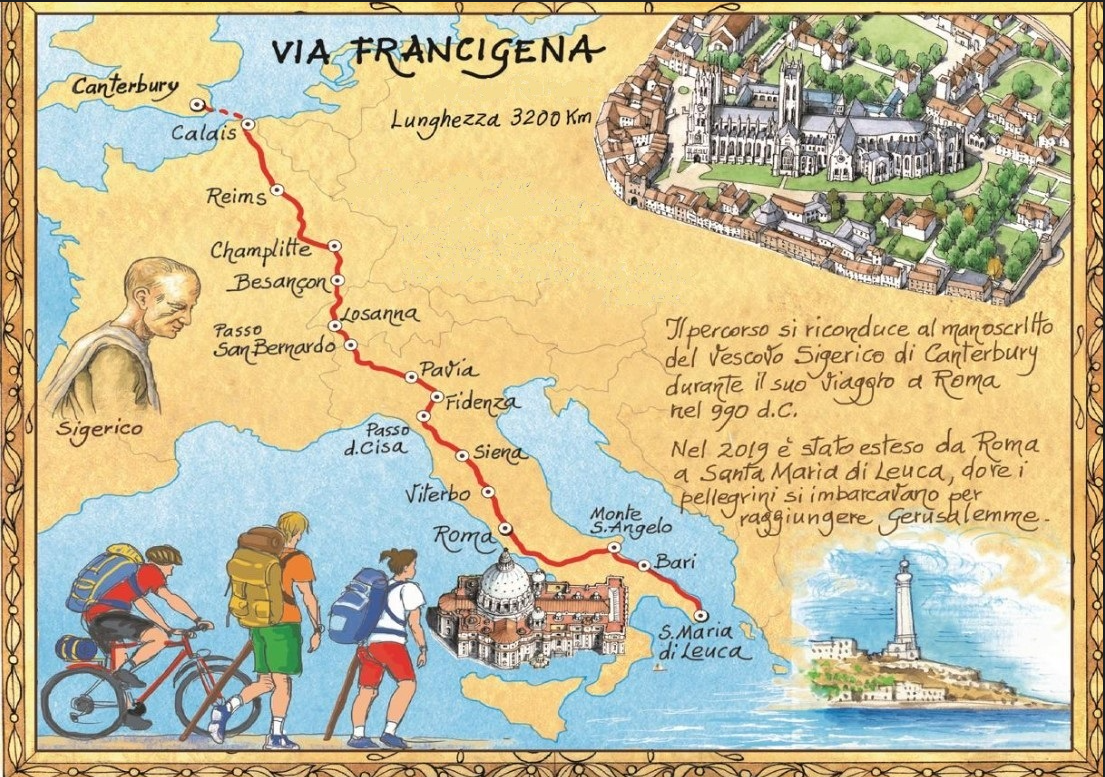
In historical times, passage along this historic route represented the engine of an intense network of cultural and commercial exchanges for the entire Capitanata region. Pilgrims walking the final stages toward the embarkation ports found in this historic estate a safe haven after days of walking across the plain. The structure guaranteed the resting of horses, fresh water from the wells, and essential food rations. This centuries-old vocation for welcoming guests is constantly renewed even today, through the footsteps of modern walkers who cross these lands on foot. Today's hikers, driven by the same spirit of discovery and inner search as the travelers of the past, find in the farmhouse that same point of reference and refreshment. The coexistence between the historical memory and the contemporary transit of these travelers enriches the identity of the estate, consolidating a hospitality that defies time. Yesterday just as today, the solidity of these walls welcomes those who practice slow travel, passing down intact the value of encounter and exchange between different cultures.